ShirtstylesFormal shirt styles for men — silhouettes, collars & cuffs
A formal shirt is a set of decisions: how close it fits, how the collar frames the face, how the cuff finishes the sleeve. This publication explains each option so you can choose office shirts with intent.
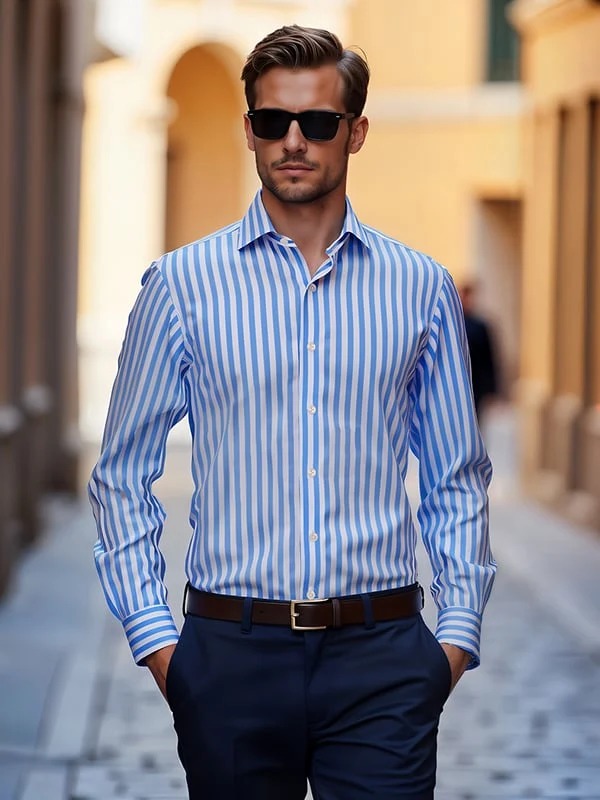
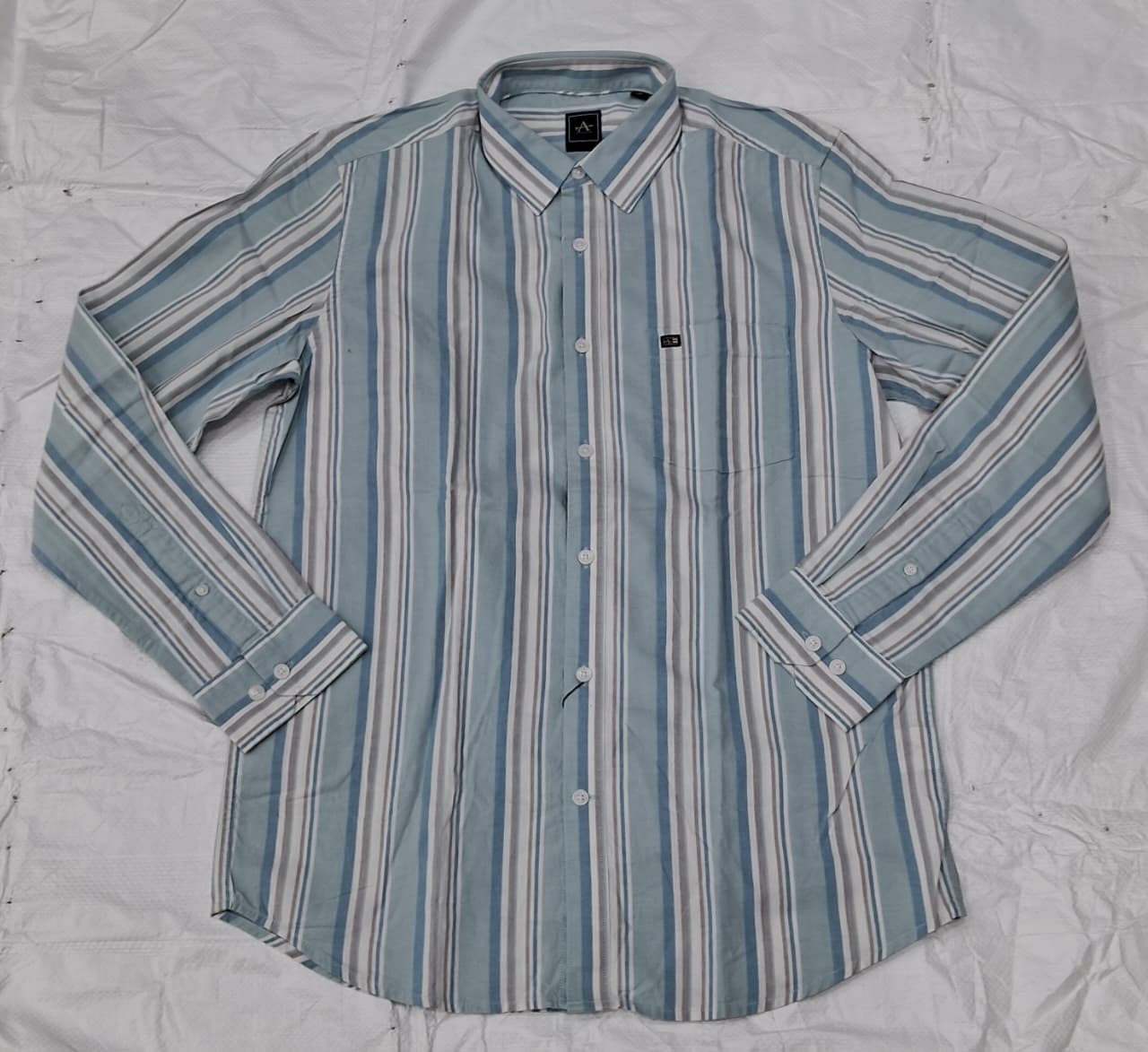
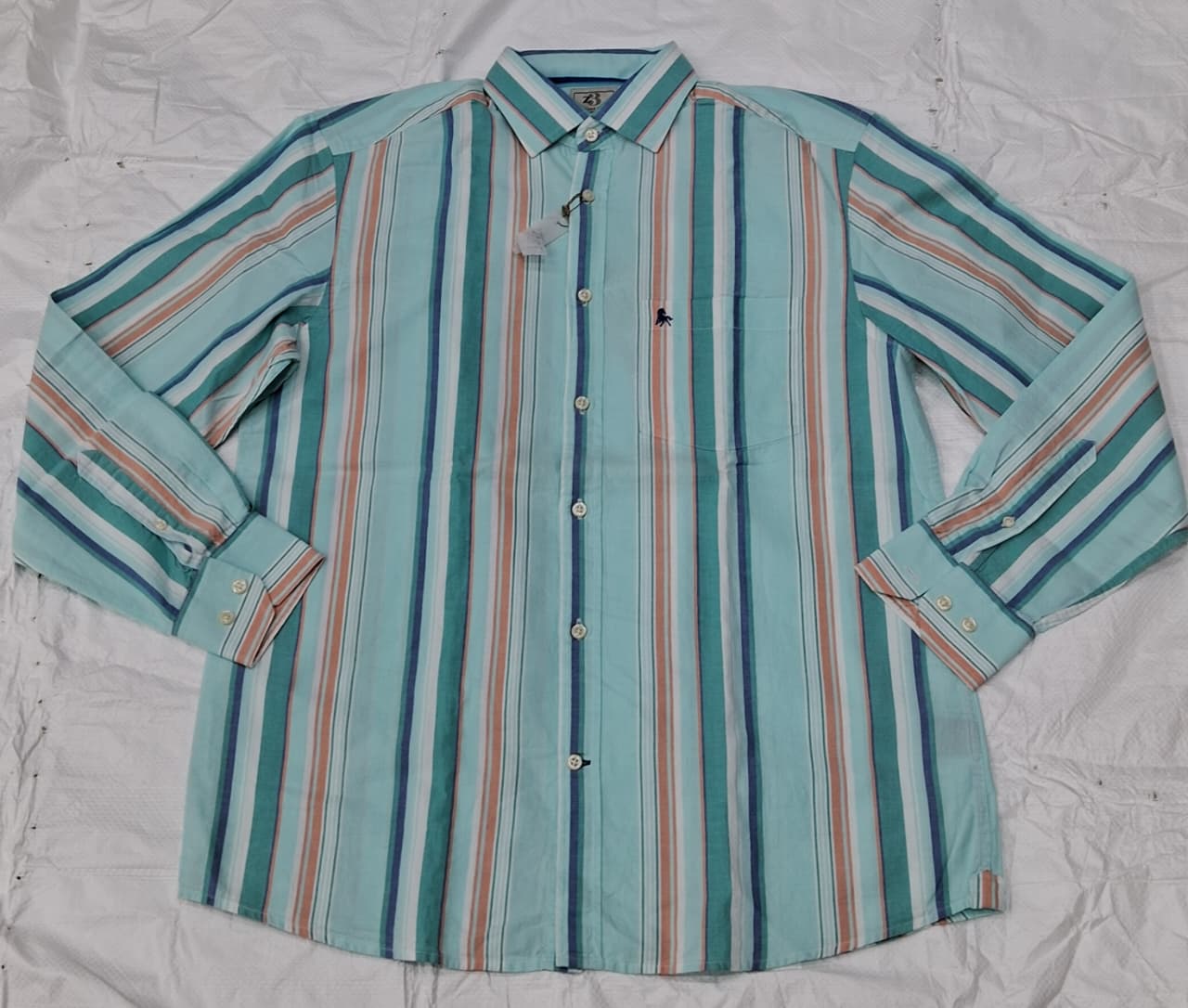
Plate IBengal stripe, spread collar, barrel cuffs
I
Silhouettes
Five ways an office shirt can be cut. The orange line on each drawing marks the waist: the shorter it is, the closer the fit.
Fig. I.1
Classic formal shirts
The classic formal shirt is the template from which every other office shirt is drawn: a full-sleeve cut, a structured collar, a clean front placket and a straight, slightly generous body. It is designed to be worn tucked, usually under a jacket, and to look appropriate in any formal setting.
Choose classic shirts in white, pale blue and fine stripes as the backbone of a professional wardrobe. They are the easiest shirts to dress up with a tie and the hardest to get wrong.
Fig. I.2
Contemporary office shirts
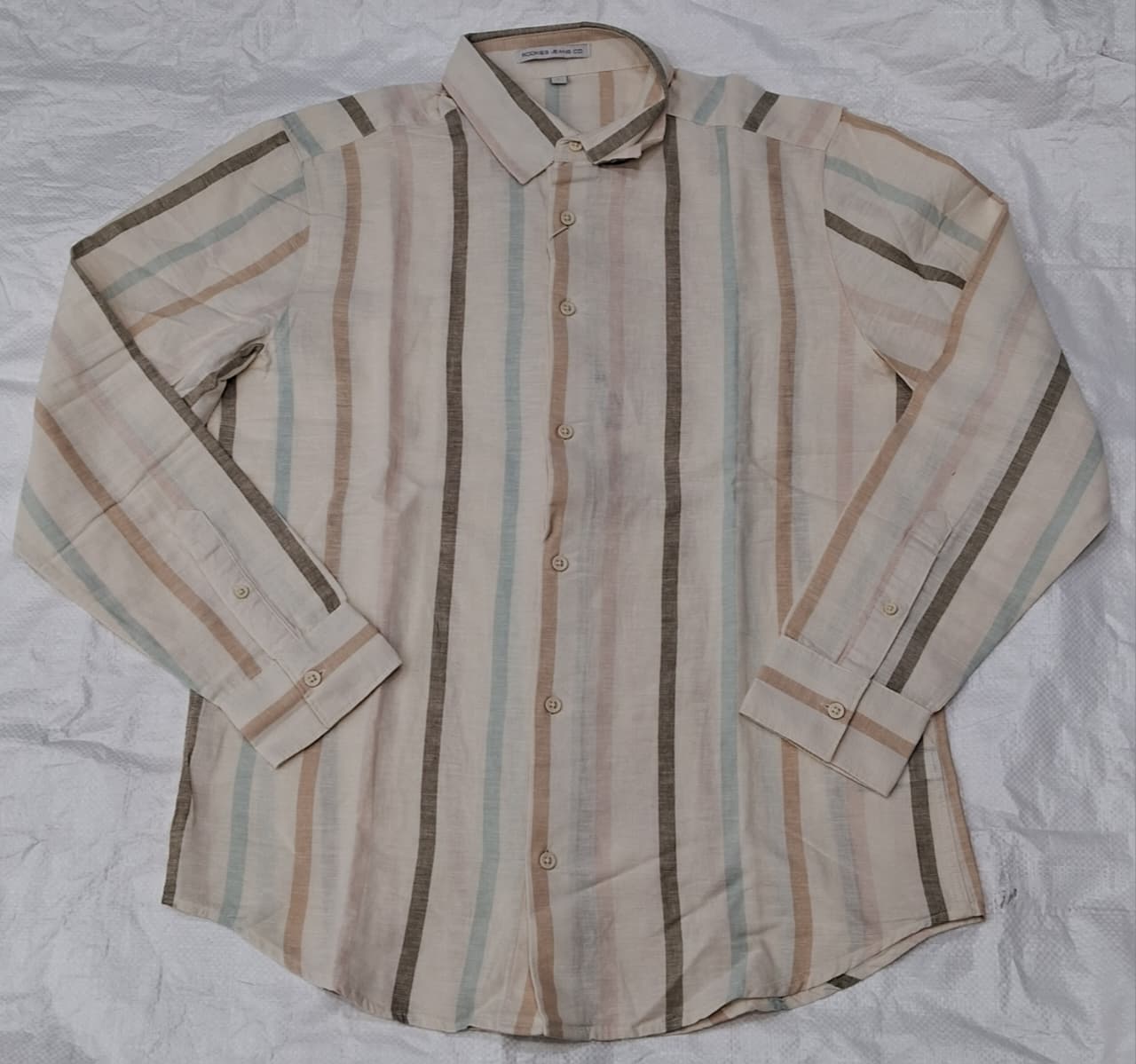
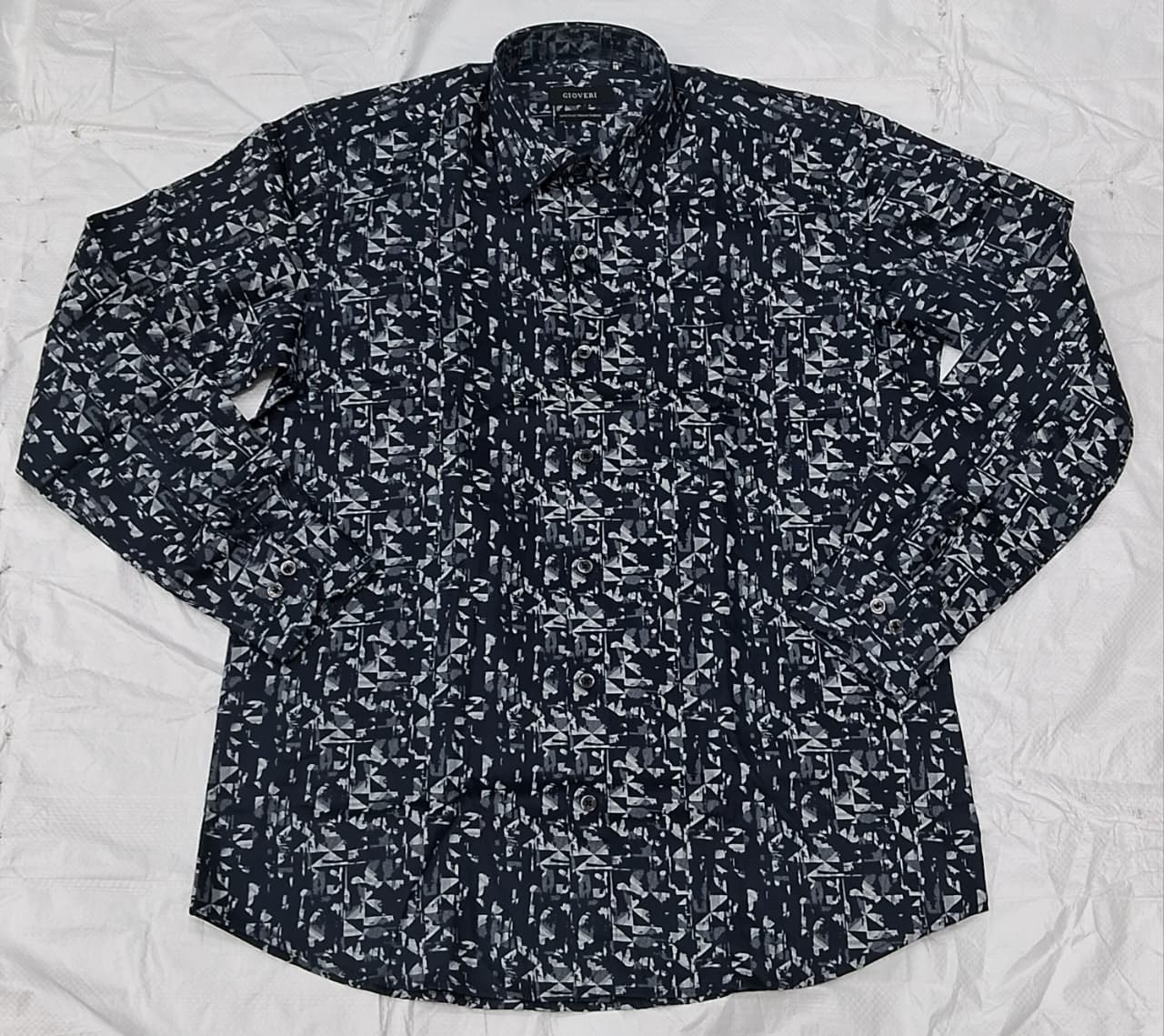
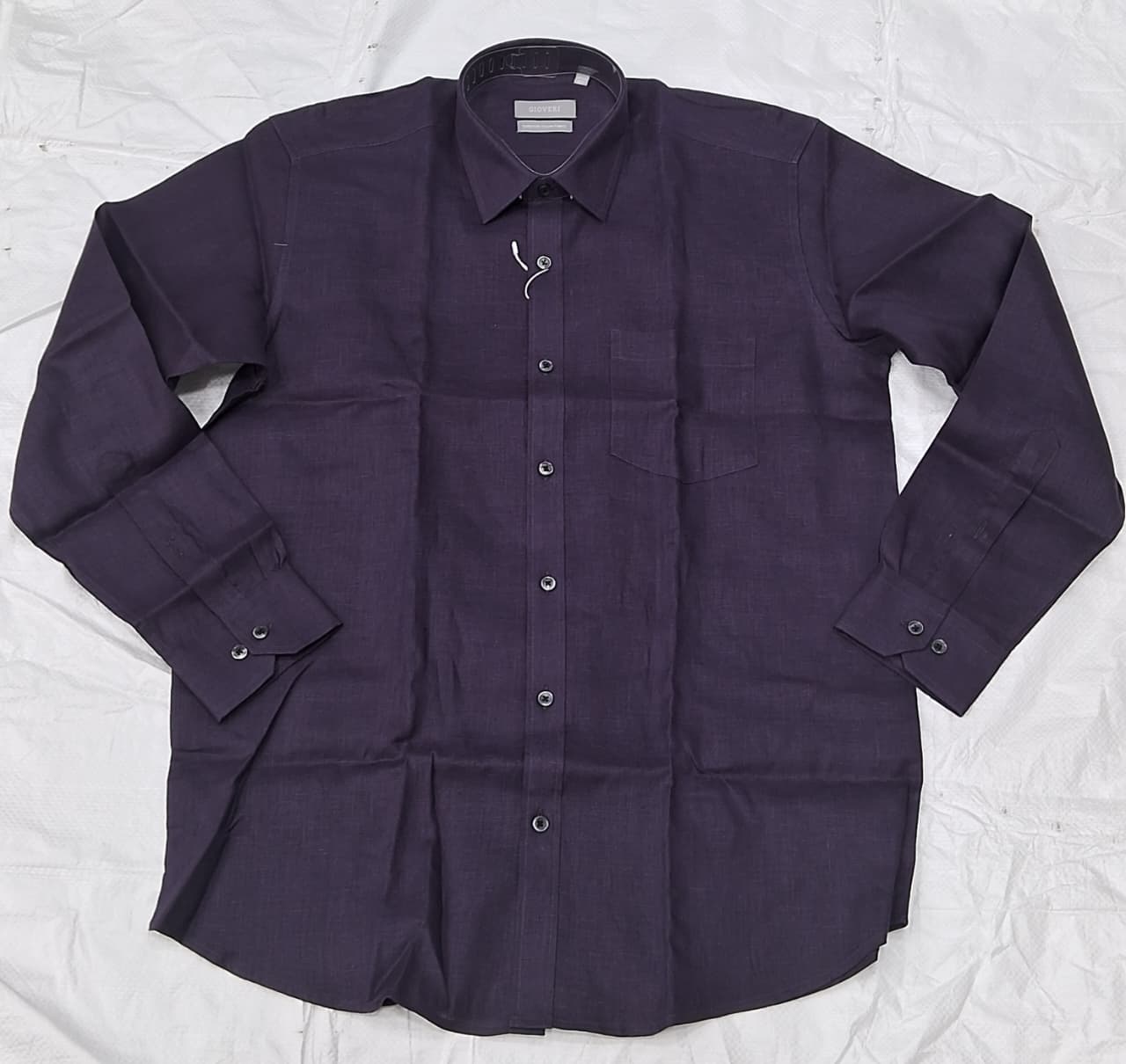
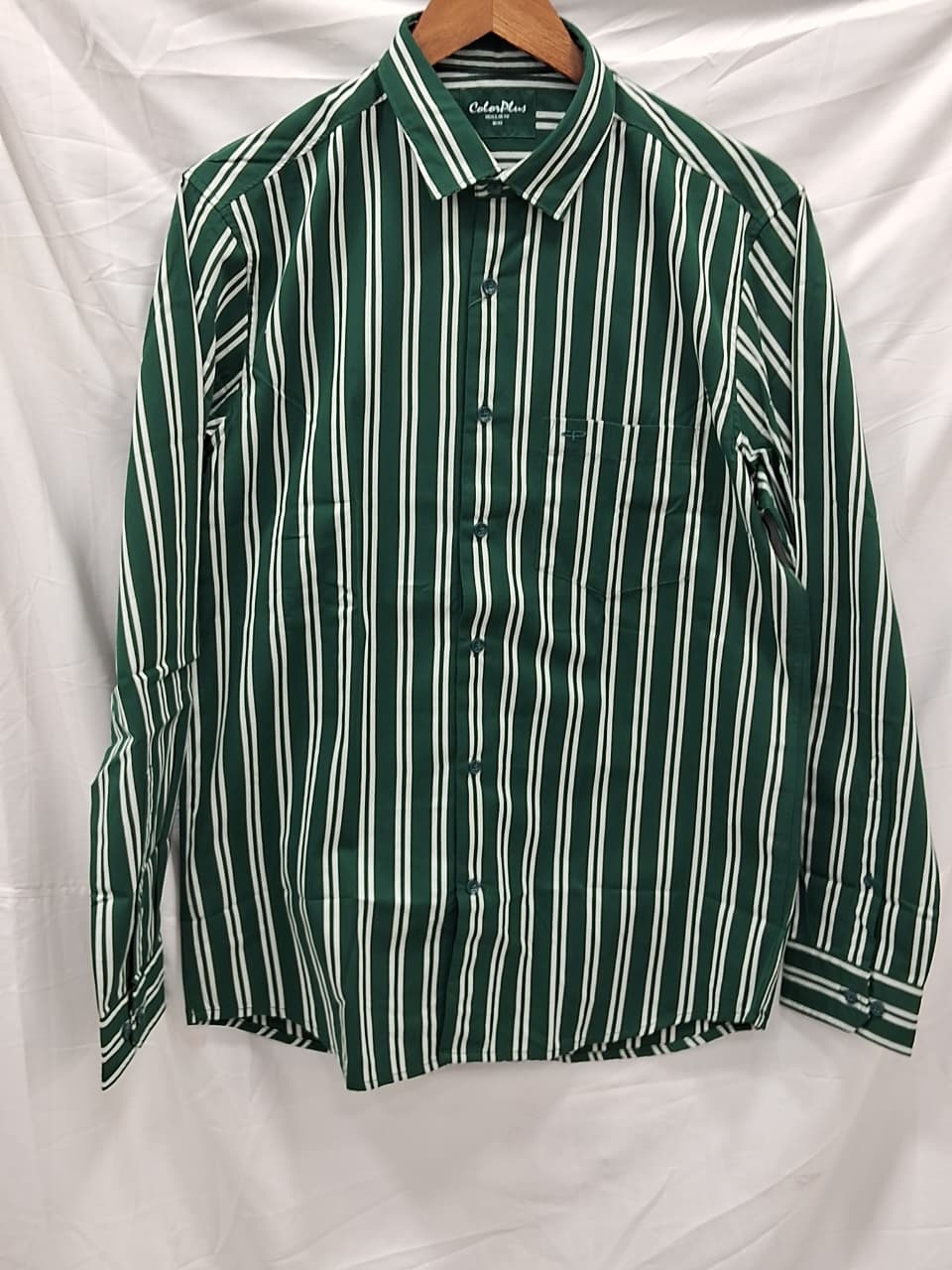
Contemporary office shirts keep the formal architecture but update the details: slimmer collars, micro-prints and textured cloths, darker or richer colours, and a cleaner, slightly shorter cut. They suit modern workplaces where formality is expected but rigid uniforms are not.
Wear them with plain trousers and an unstructured blazer, or on their own for business-casual days and client lunches.
Fig. I.3
Slim-fit styles
Slim-fit shirts are cut close to the body through the chest, waist and sleeve. Back darts or shaped side seams remove excess fabric, producing a sharp, lean line that looks especially good under fitted tailoring.
A slim fit should never pull at the buttons or restrict movement. If it does, move to a tailored fit or a size up.
Fig. I.4
Regular-fit styles
Regular-fit shirts follow a straight line from the chest to the hem. The extra room gives comfort and airflow through long days and suits broader builds and classic, fuller-cut trousers.
Tuck firmly and wear a belt so the body of the shirt stays neat rather than billowing at the waist.
Fig. I.5
Tailored silhouettes
A tailored silhouette sits between slim and regular: gently shaped at the waist, with enough room in the chest and shoulders for natural movement. It is the most widely flattering office cut.
Choose tailored shirts if slim fits feel tight and regular fits feel loose — it is the middle path that works with or without a jacket.
II
Collars
The collar sits closest to the face and is the first detail people notice. Its shape decides whether a shirt works with a tie, without one, or both.
II.1
Spread collar
Collar points angle outward, leaving a wide space between them. Spread collars frame the face, suit fuller tie knots and look modern worn open. They are a strong choice for presentations and formal business wear.
II.2
Point collar
Points are closer together and longer, creating a narrow, vertical V. Point collars are the most traditional office collar, lengthening the face and pairing with slimmer tie knots.
II.3
Button-down collar
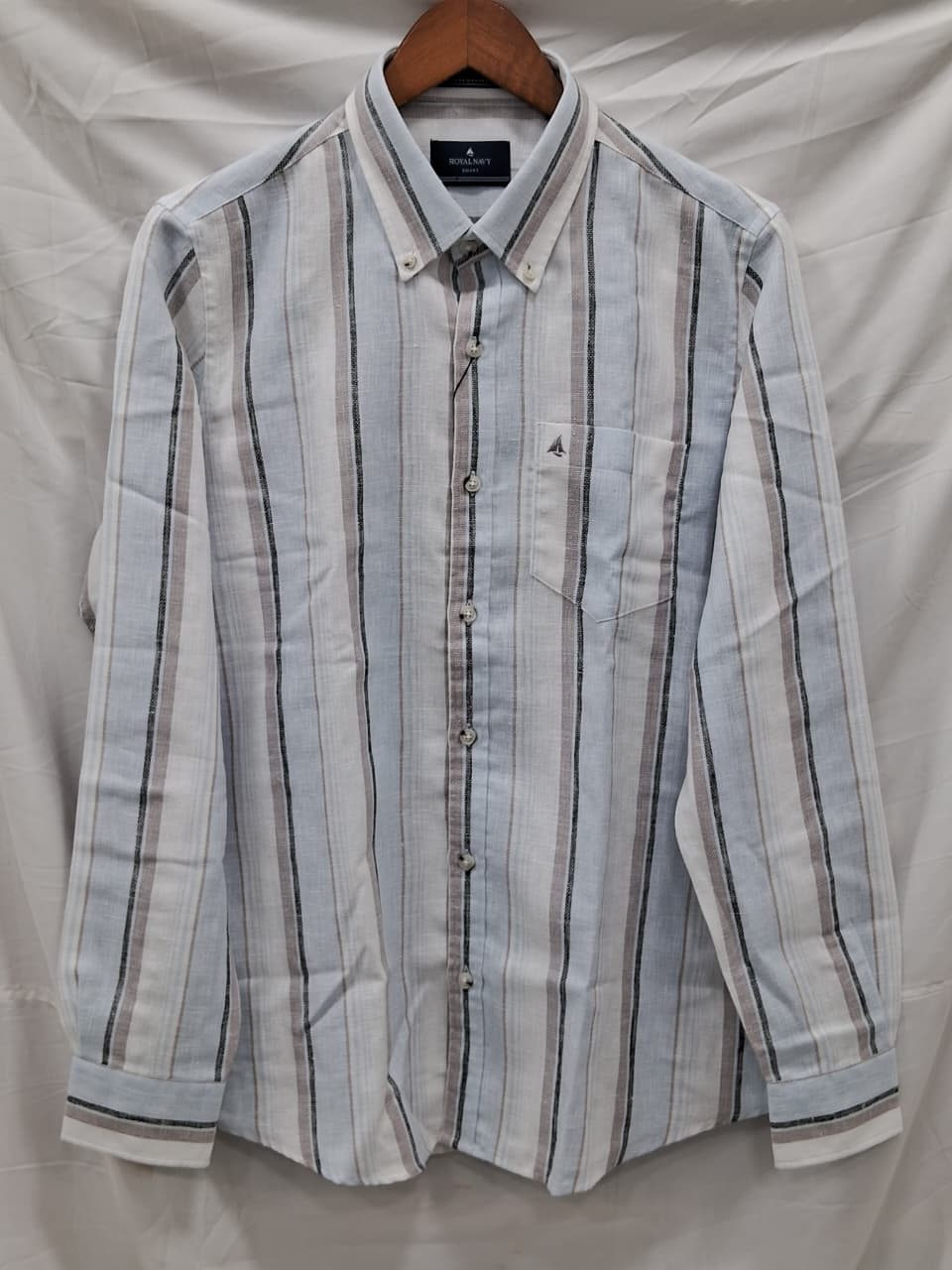
Small buttons fasten the collar points to the shirt front, keeping the collar in place when worn open. Button-down collars are relaxed and practical — ideal for business-casual days and travel, usually without a tie.
III
Cuffs & sleeves
The cuff finishes the sleeve and frames the hand — visible every time you shake hands, write or gesture across a table.
III.1
Barrel cuffs
The standard office cuff: a single band fastened with one or two buttons. Barrel cuffs are practical, neat under a jacket and appropriate for nearly every professional setting.
III.2
French cuffs
A longer cuff folded back on itself and fastened with cufflinks. French cuffs are the most formal cuff, reserved for ceremonies, evening events and senior occasions. This drawing explains the construction; ask in store about current availability.
III.3
Full-sleeve shirts
The full-sleeve shirt is the default for formal office wear. With a jacket, the cuff should show about a centimetre below the sleeve. Without one, two neat rolls above the wrist look relaxed but intentional.