Navi Mumbai / India

  1. Home
  2. Style Journal

Issue — The office shirt · 10 essays

Style journal — men's office shirt guides

Editor's noteTen essays on the most important garment in a working wardrobe: how to choose it, wear it and build a collection around it — written for professionals in Navi Mumbai, Mumbai and anywhere offices still have a dress code.

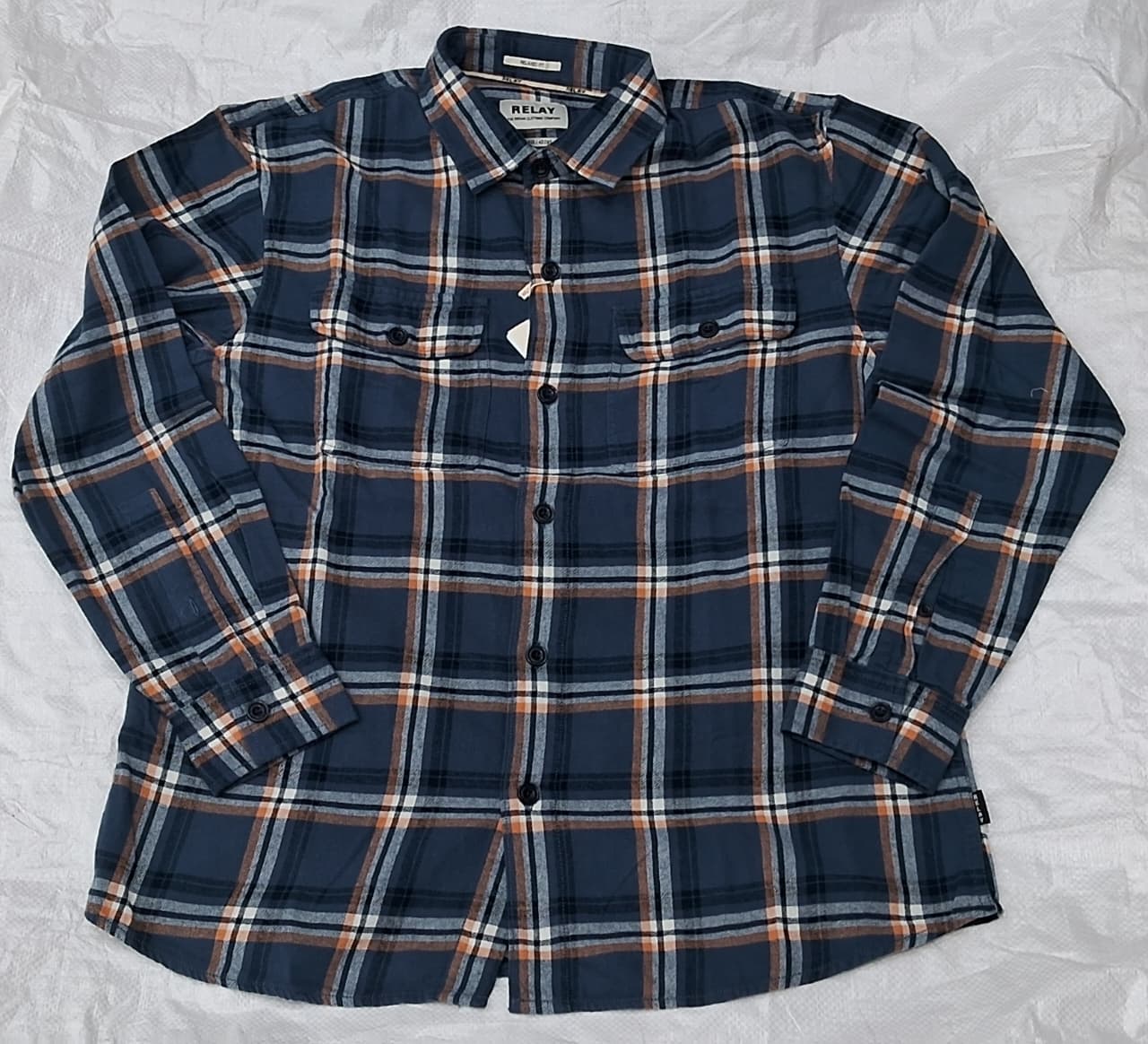
Navy and orange check shirt
CoverNavy and orange check

01Guide6 min read

The Complete Guide to Men's Office Shirts

Everything that matters about the most-worn garment in a working wardrobe — in one place.
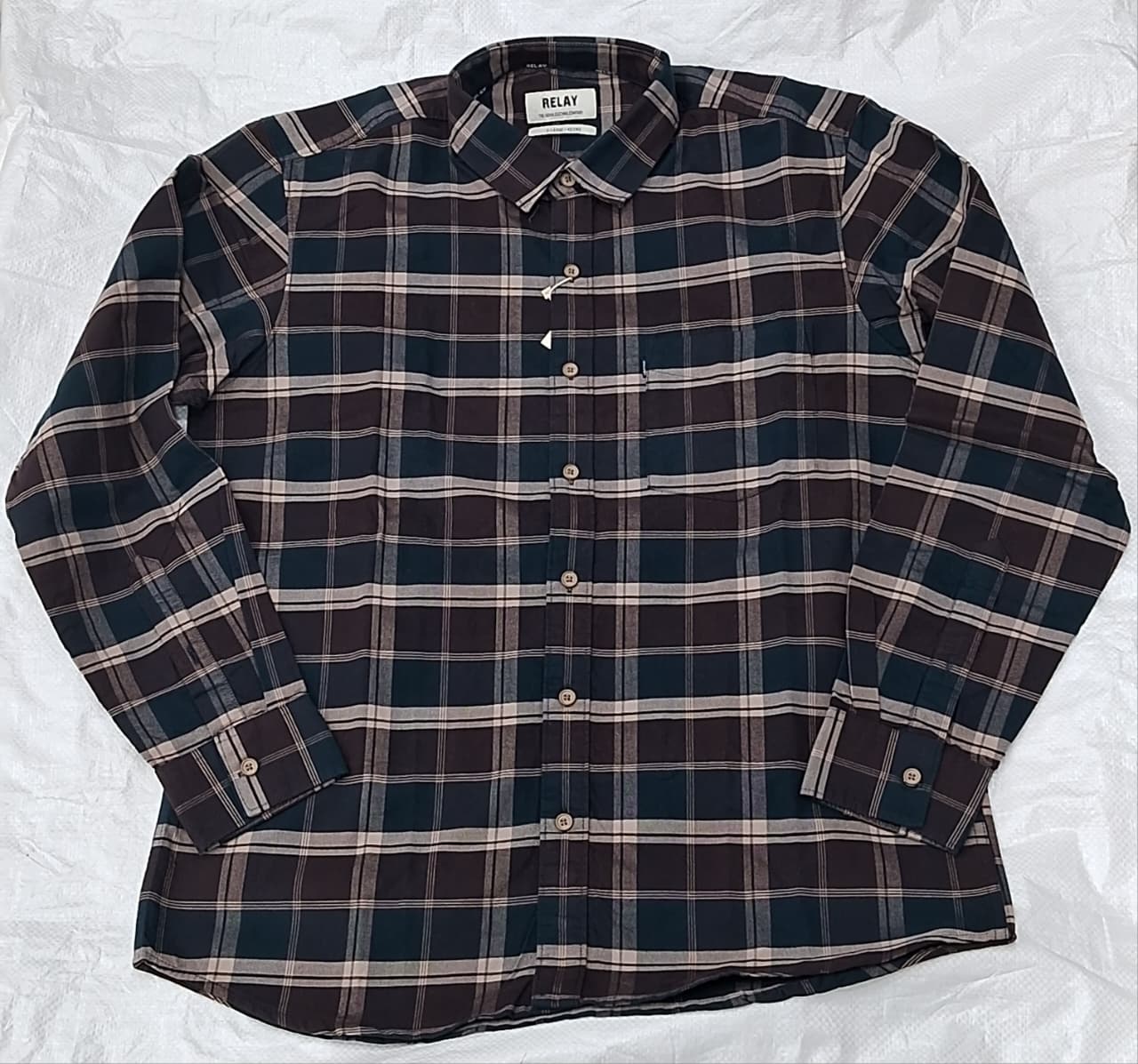
Navy and burgundy checked shirt
Plate 01Navy and burgundy checked shirt

The office shirt began life as underwear. For much of the nineteenth century only its collar and cuffs were meant to be seen, and these were often detachable, starched and changed daily. When the attached collar became standard in the early twentieth century, the shirt itself became a visible, considered garment — and it has stayed at the centre of professional dress ever since.

What makes a shirt an office shirt

An office shirt is defined less by any single feature than by restraint: a structured collar that holds its shape, a clean front placket, full sleeves finished with a proper cuff, and a cloth smooth or fine enough to sit under tailoring. Colours tend toward white, blue and quiet neutrals; patterns toward fine stripes and small checks.

The four decisions

  • Fit — slim, tailored or regular. Fit matters more than anything else; see our fit notes.
  • Fabric — poplin for crispness, Oxford for texture, twill for drape, pinpoint for refinement.
  • Collar — spread, point or button-down, chosen for your face and whether you wear a tie.
  • Colour and pattern — chosen for the room you are dressing for.

How many you need

Seven shirts cover a working week with time for laundry: two white, two light blue, one fine stripe, one subtle check and one soft colour. Add executive or contemporary pieces as your role and workplace demand.

Caring for them

Unbutton fully before washing, wash similar colours together, hang to dry and iron collars and cuffs first. A well-cared-for shirt keeps its shape far longer than an expensive one treated badly.

Continue with the office collections or the shirt styles guide.
Back to contents ↑

02Wardrobe5 min read

The Modern Professional Wardrobe

Fewer pieces, clearer rules, more combinations.

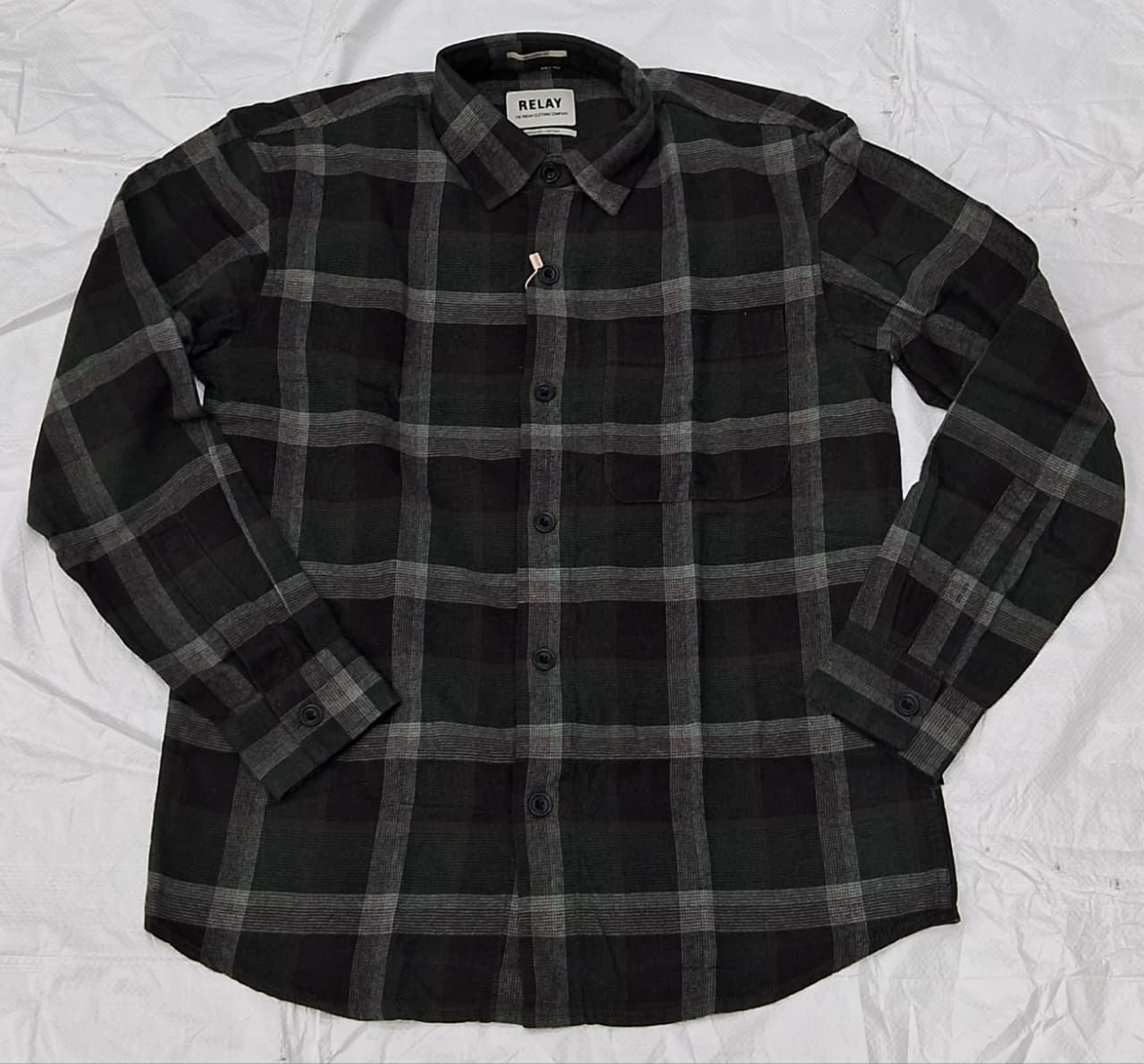
Black and grey check shirt
Plate 02Black and grey check shirt

The modern professional wardrobe is not a uniform and not a costume. It is a small system in which every piece works with most of the others, so that getting dressed takes minutes and always produces a coherent result.

Start with shirts

Shirts are worn closest to the face and seen in every meeting and photograph, so they deserve the most attention. Build a core of white and light blue, then add a stripe, a check and one or two soft colours. Avoid buying several shirts in very similar strong colours; variety in pattern is more useful than variety in hue.

Trousers as the constant

Navy, charcoal and stone trousers will partner every shirt in a well-built wardrobe. Choose a cut that matches your shirt fits: tapered with slim shirts, straight with regular ones.

One jacket, many roles

A navy blazer turns a shirt and trousers into a meeting outfit, survives travel and works from formal offices to casual Fridays.

Leathers and accessories

One pair of black shoes, one brown; a matching belt for each; a simple watch. Nothing more is required.

Rotate deliberately

Alternate shirt colours day to day and rotate trousers on a different cycle. Ten pieces can produce several weeks of distinct outfits. See the sample five-day rotation on the homepage.

Back to contents ↑

03Guide5 min read

Choosing the Right Formal Shirt

Fit first, fabric second, colour third.

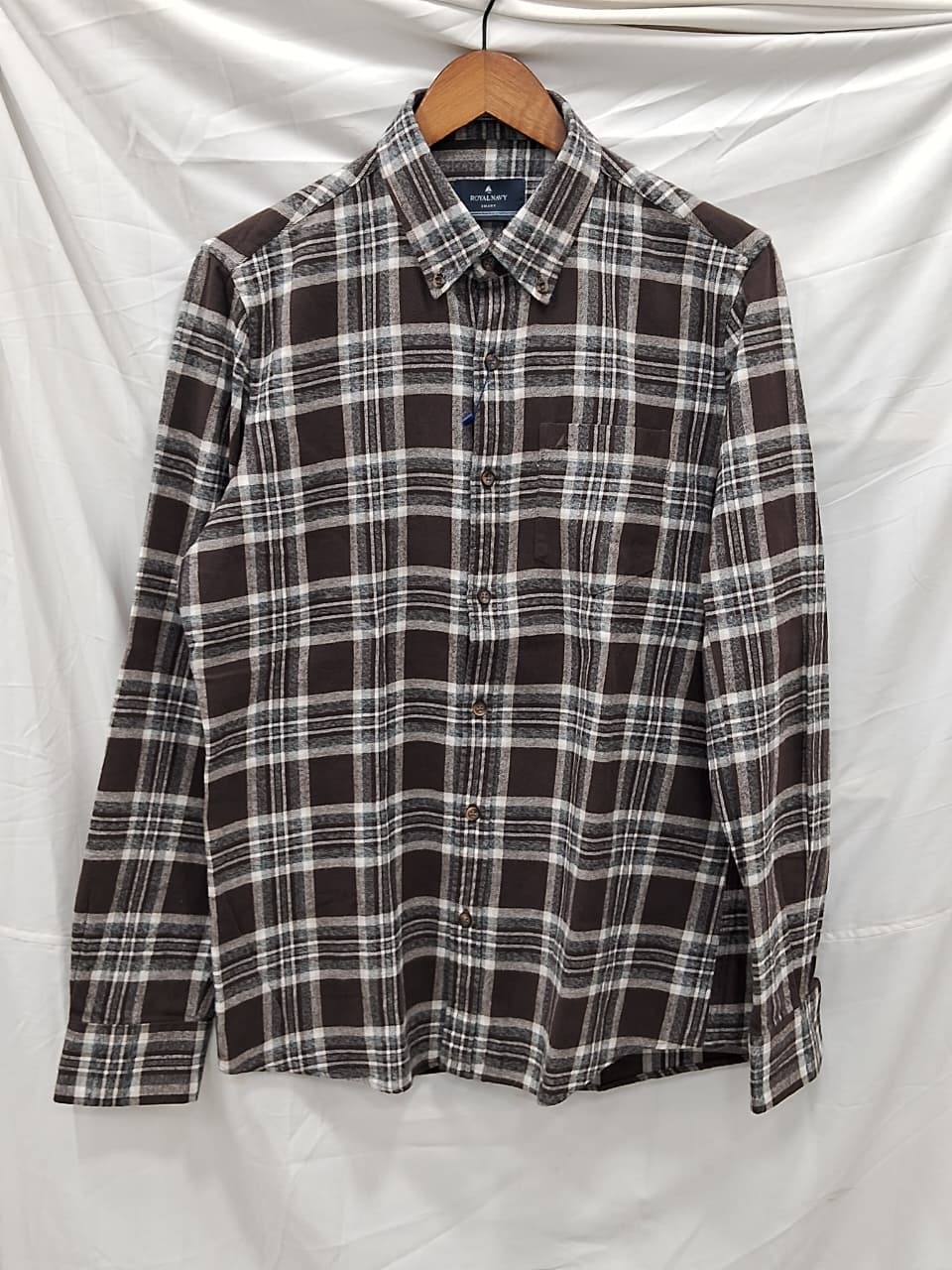
Brown and white check shirt on a hanger
Plate 03Brown and white check shirt on a hanger

When choosing a formal shirt, most people start with colour. It is the last thing to decide. A white shirt that fits badly will always look worse than a blue one that fits well.

1. Fit

Check the shoulder seam sits on the edge of your shoulder, the buttons close without pulling, the cuff reaches the wrist bone and the shirt stays tucked when you reach forward. Try slim, tailored and regular cuts — the label size is only a starting point.

2. Collar

Match the collar to your face and habits. Spread collars balance narrow faces and suit wider tie knots; point collars lengthen round faces; button-downs are best without a tie. Fastened, you should be able to slide one finger inside comfortably.

3. Fabric

For formal settings choose smooth, fine weaves such as poplin or pinpoint. For long days and humid weather, prioritise breathable cotton. Hold the fabric to the light: denser weaves usually wear better.

4. Colour and pattern

Only now choose colour. Think about where you will wear it: white and fine stripes for the most formal rooms; blues for everyday; soft colours and checks for relaxed days.

5. The details

Look closely at stitching, button attachment and how stripes meet at the placket and pockets. Small signs of care usually mean the whole shirt was made with care. See garment construction.

Back to contents ↑

04Colour4 min read

Office Shirt Colour Combinations

Pairings that always work — and why.

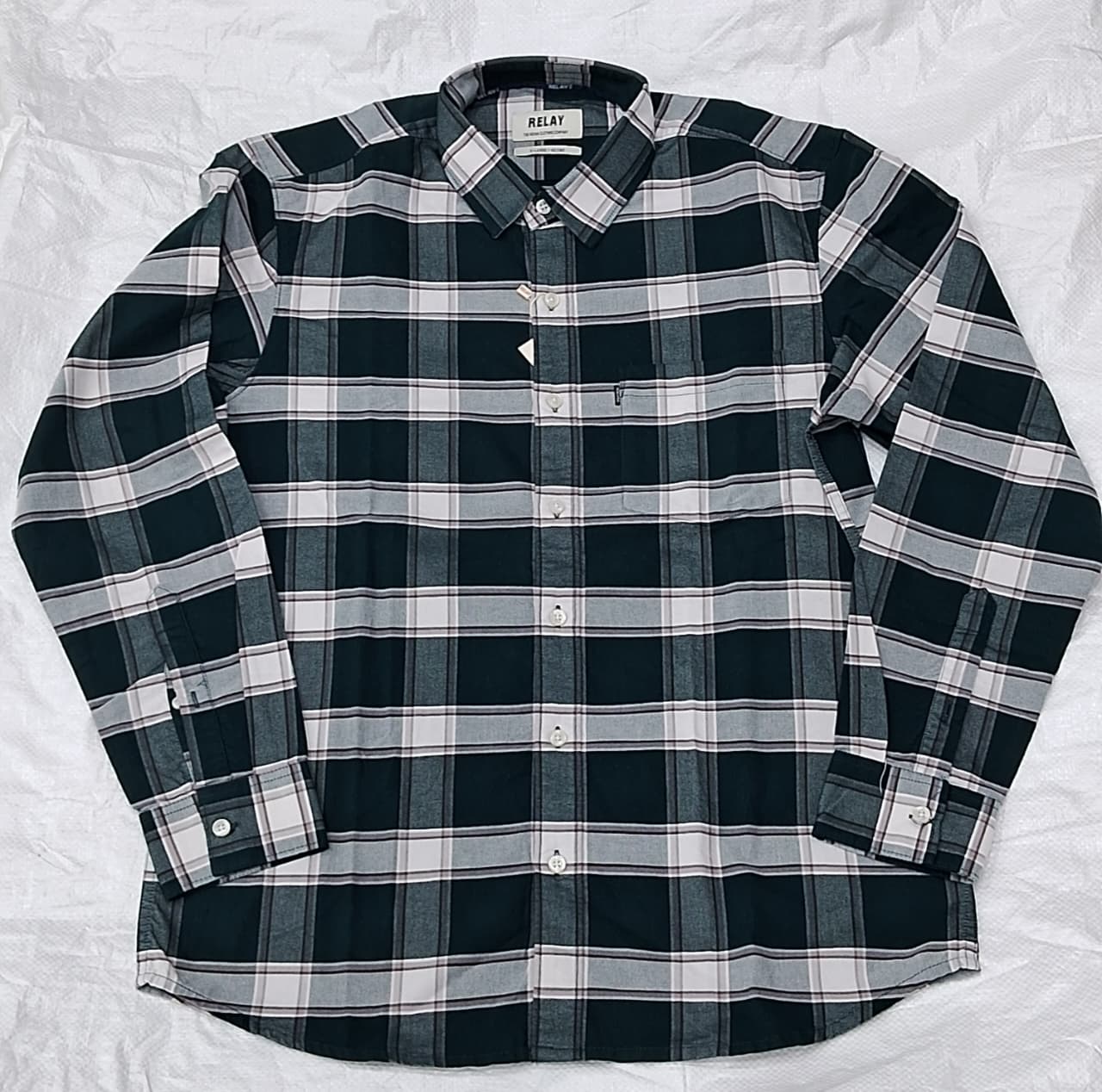
Green and white check shirt
Plate 04Green and white check shirt

Good colour combinations follow two simple ideas: contrast sets formality, and only one element should lead.

Reliable pairings

  • White shirt + charcoal trousers — maximum contrast, maximum formality.
  • Light blue shirt + navy trousers — tonal and polished; the everyday standard.
  • Pale pink shirt + grey trousers — warm and modern, cooled by grey.
  • Striped shirt + neutral trousers — let the stripe lead; keep everything else plain.
  • Grey shirt + black or navy trousers — architectural and calm.
  • Check shirt + stone trousers — relaxed, ideal for Fridays and travel.

Adding a tie

Choose a tie darker than the shirt. With a solid shirt, almost any tie works; with a patterned shirt, choose a solid tie or a pattern of clearly different scale.

Shoes and belts

Black leather sharpens; brown softens. Match belt to shoes and choose based on the trousers: black with charcoal and black, brown with navy, stone and grey.

Explore the full coordination matrix.

Back to contents ↑

05Fit5 min read

The Importance of Fabric and Fit

Why two shirts in the same colour can look completely different.

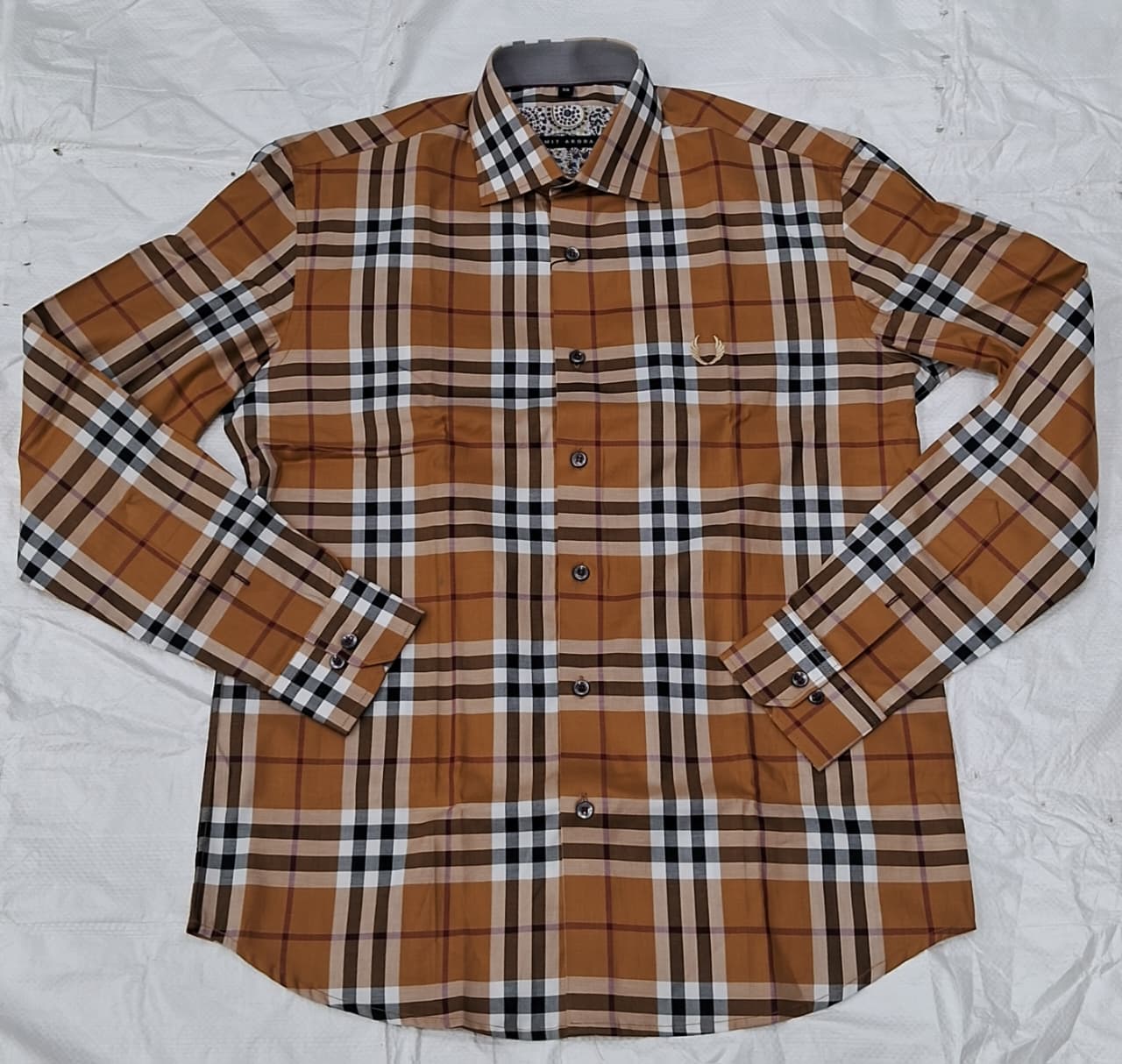
Ochre and black check shirt
Plate 05Ochre and black check shirt

Put two white shirts side by side and they may look identical on the hanger. On the body, one looks sharp all day and the other wrinkles, pulls and untucks by lunchtime. The difference is fabric and fit.

Fit shapes the silhouette

A shirt that fits follows the body without gripping it. The shoulder seam sits on the shoulder bone; the chest allows movement; the waist does not balloon; the sleeves end at the wrist. These seven checkpoints matter more than any label size. See the fit comparison.

Fabric shapes the surface

Fabric determines sheen, texture, drape and comfort. Poplin is crisp and formal; Oxford textured and durable; twill soft with a fine diagonal; pinpoint refined. Breathable cotton keeps you comfortable through humid commutes.

They work together

A slim fit in a stiff fabric can feel restrictive; a regular fit in a soft fabric can look shapeless. Choose fabric and fit as a pair: closer fits benefit from a little softness or stretch, while fuller fits look best in crisper cloth.

Try before you decide

Sit, reach and turn in the fitting room. A shirt that passes those tests will pass a working day.

Back to contents ↑

06Essentials4 min read

Styling White Shirts

The most formal shirt is also the most versatile.

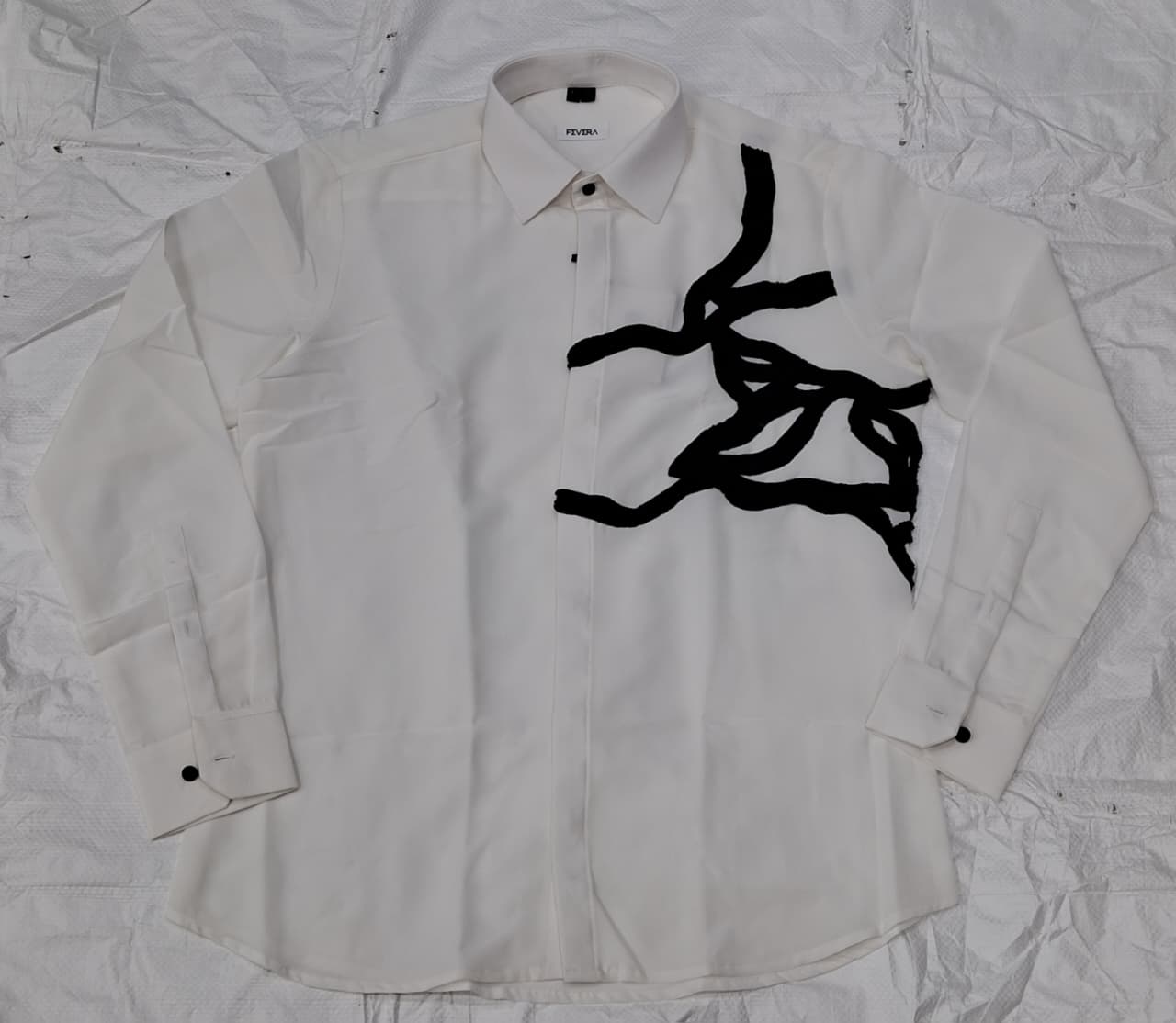
White shirt with a black brushstroke graphic
Plate 06White shirt with a black brushstroke graphic

The white shirt is the one garment every professional wardrobe needs. It reflects light onto the face, partners every colour and moves from a formal board meeting to an informal dinner with a single change of jacket.

Five ways to wear it

  • Boardroom — charcoal suit, dark solid tie, black shoes.
  • Everyday office — navy trousers, no tie, brown belt and shoes.
  • Client lunch — grey trousers, navy blazer, open collar.
  • Friday — stone chinos, sleeves rolled twice.
  • Evening event — black or midnight suit, polished shoes.

Choose the right white

Bright white is the most formal; off-white and ivory are softer and suit warmer complexions. Textured whites — dobby stripes, fine weaves — add depth and hide small creases. Even a white shirt with a subtle graphic or emblem has a place on creative and casual days, worn with plain trousers.

Keep it white

Wash white shirts separately, avoid over-bleaching, and treat collars and cuffs promptly. Replace a white shirt when the collar yellows — it is the first thing people notice.

Browse white office shirts.

Back to contents ↑

07Meetings4 min read

Dressing for Corporate Meetings

Match the room, then raise it by one level.

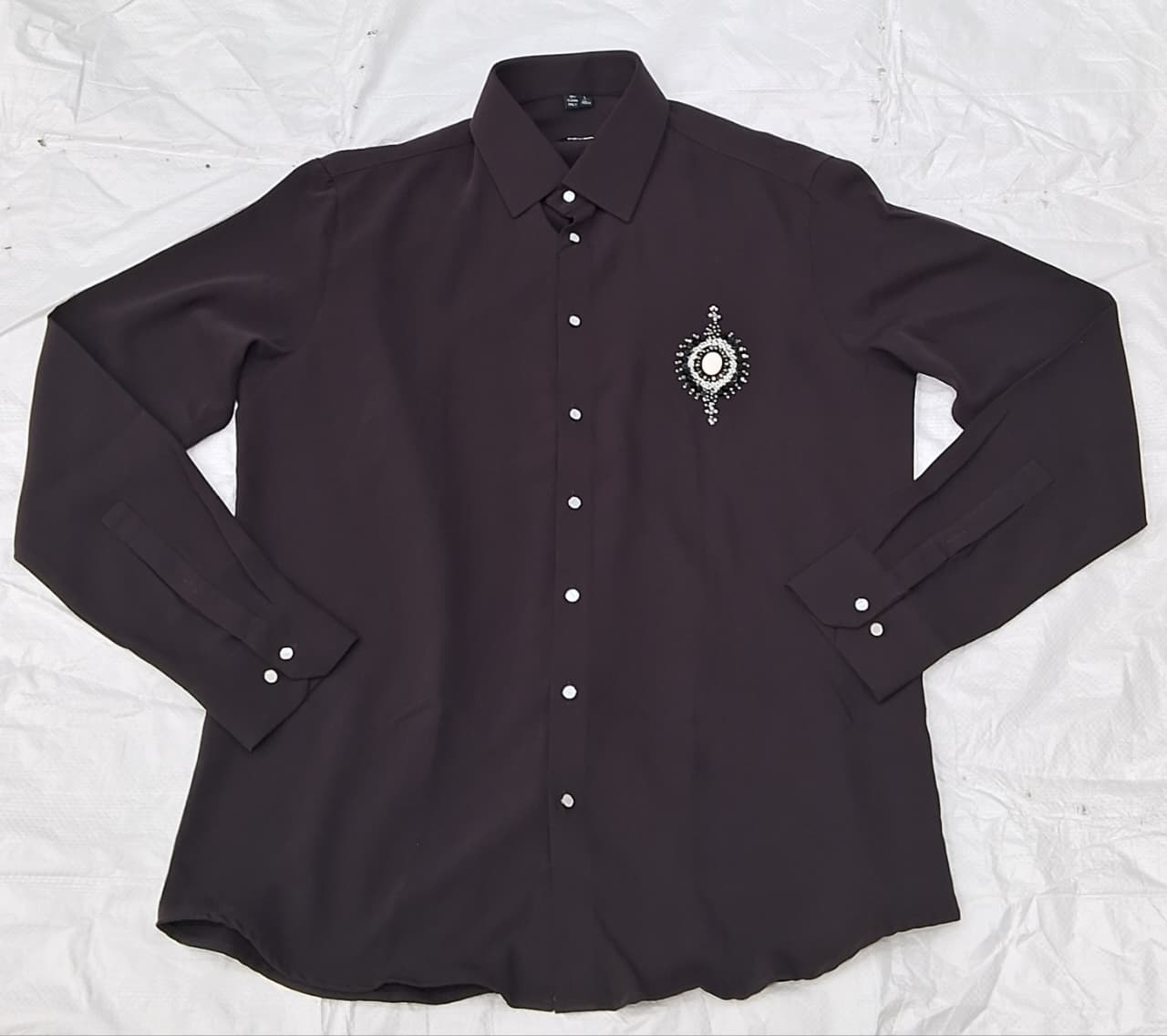
Aubergine shirt with a small chest motif
Plate 07Aubergine shirt with a small chest motif

What you wear to a meeting is part of what you say. The aim is not to impress but to remove distraction: you should look prepared, comfortable and appropriate to the people in the room.

Read the room

Banking, legal and government meetings still favour suits, ties and white or pale blue shirts. Technology, media and start-up meetings are usually open-collared, but a well-fitting formal shirt is never wrong. When unsure, dress one level above what you expect others to wear.

Choose clarity

Solid colours and fine stripes read clearly across a table and on video. Very fine, high-contrast patterns can flicker on camera; avoid them for online meetings.

Check the details

  • Collar pressed and points intact
  • Cuffs clean and fastened
  • Shirt tucked and belt aligned with the placket
  • No missing buttons

Dress for comfort, too

Long meetings are tiring. A breathable shirt that lets you sit and gesture freely keeps your attention on the conversation. More in office dressing.

Back to contents ↑

08Details4 min read

Understanding Shirt Collars

The detail closest to your face deserves the most thought.

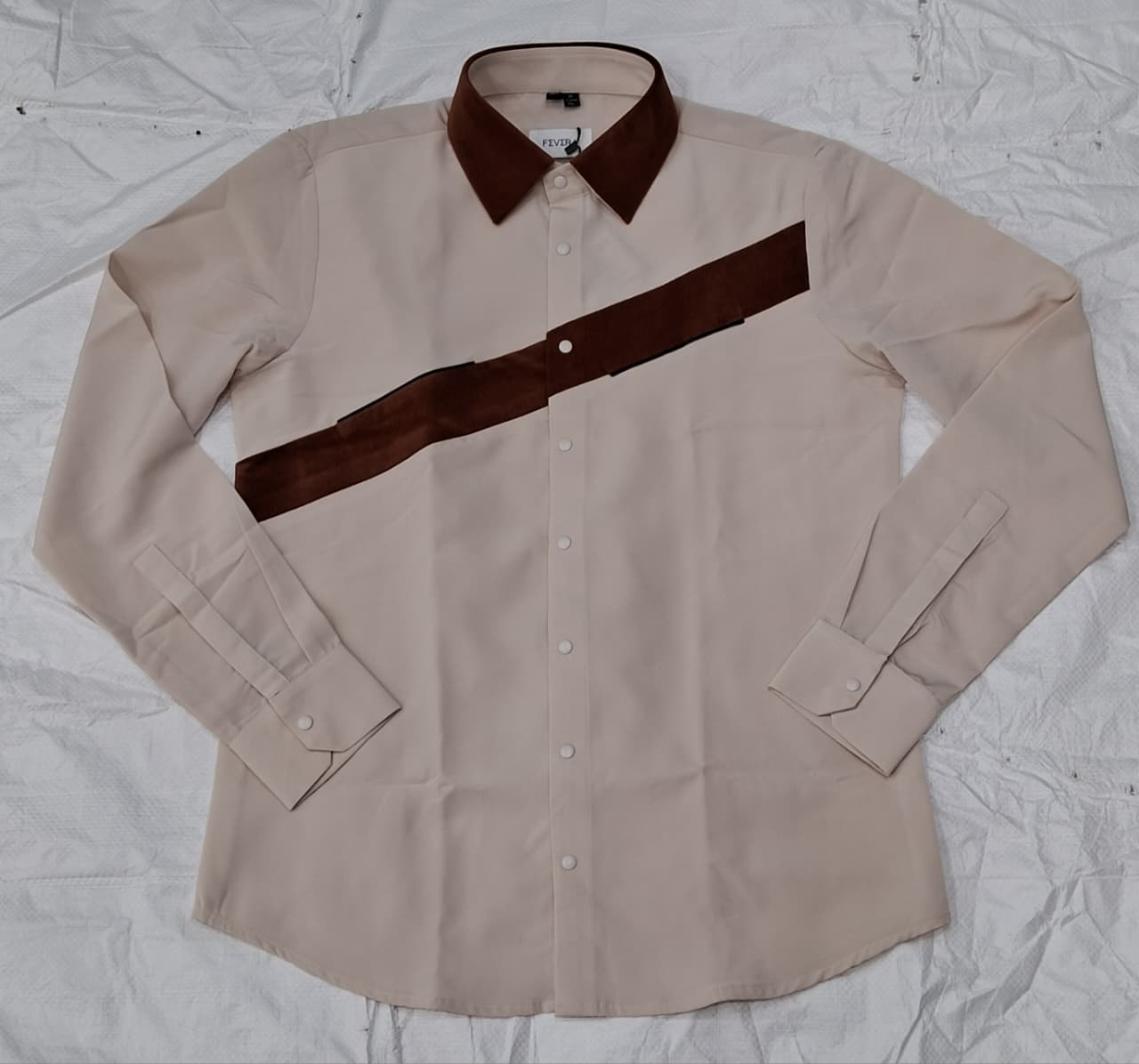
Cream shirt with a brown contrast collar and band
Plate 08Cream shirt with a brown contrast collar and band

The collar frames the face, supports the tie and is the first detail noticed in any conversation or photograph. Choosing the right collar is one of the simplest ways to look better in a shirt.

Spread collar

Points angled outward with a wide gap between them. Spread collars suit narrower faces, balance broader tie knots and look modern worn open.

Point collar

Points closer together, creating a narrow V. The most traditional office collar; it lengthens rounder faces and suits slimmer ties.

Button-down collar

Small buttons fix the points to the shirt front. Relaxed and practical, button-downs keep their shape without a tie and suit business-casual days.

Contrast collars

A white collar on a striped or coloured body is a confident, executive detail. Keep the rest of the outfit classic.

Fit of the collar

Fastened, a collar should allow one finger to slide in. Too tight and it pinches; too loose and the tie knot sags. See the illustrated collar guide.

Back to contents ↑

09Everyday4 min read

Formal Fashion for Everyday Work

Looking sharp on an ordinary Tuesday.

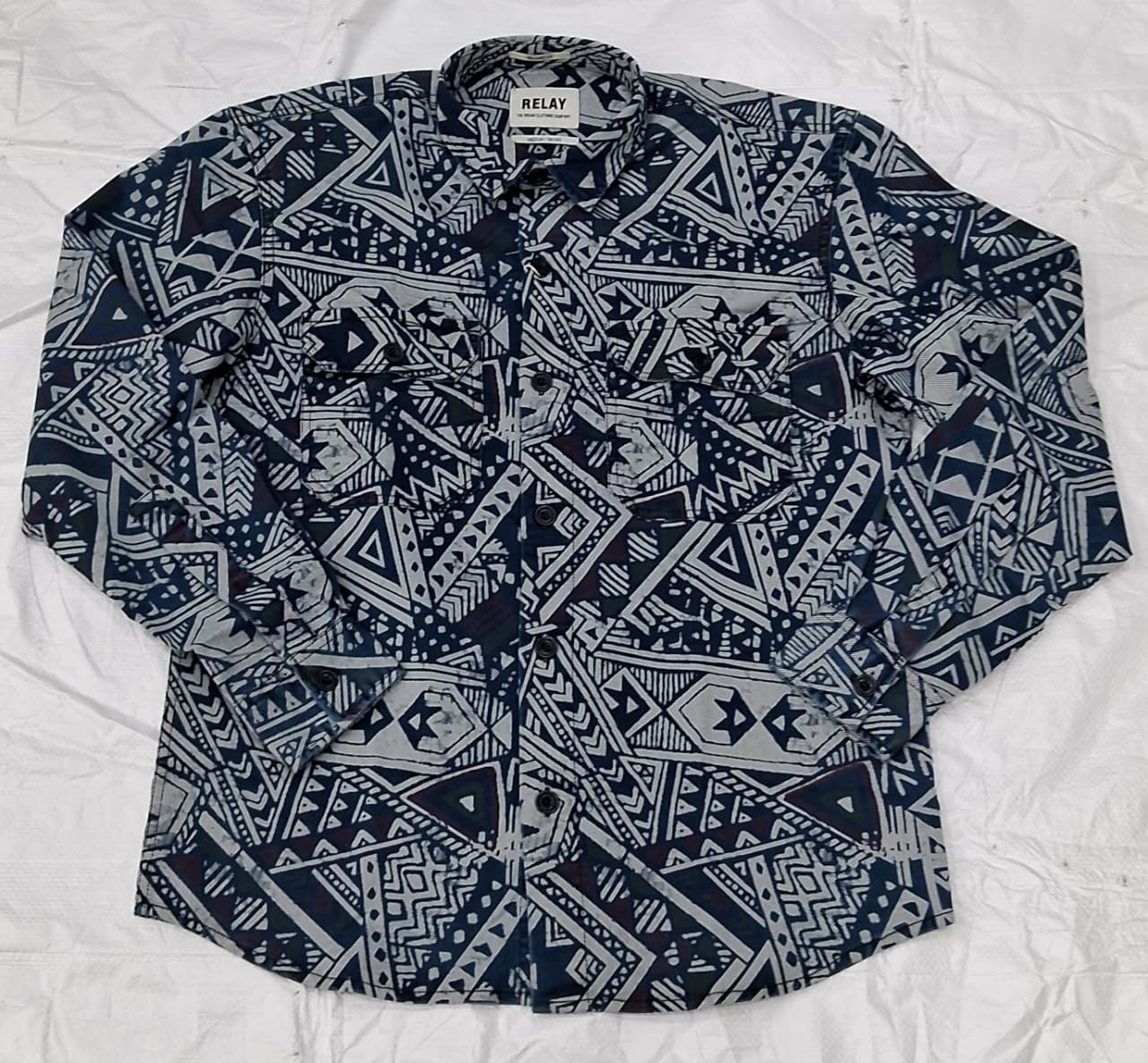
Navy geometric print shirt
Plate 09Navy geometric print shirt

Most working days are not boardroom days. Everyday formal fashion is about looking composed without effort — shirts that are easy to wear, easy to care for and easy to combine.

Comfort is part of style

Choose breathable fabrics, tailored or regular fits and collars that sit comfortably open. A shirt you are not thinking about is a shirt that looks natural.

Let pattern do the work

Micro-prints, small geometrics and textured weaves read as solid from a distance and show character up close. They are ideal for contemporary offices and relaxed days, worn with plain trousers.

Keep the base classic

Navy, grey and stone trousers, simple leather shoes and a single belt let a more expressive shirt stand out without the outfit becoming busy.

Prepare the night before

Choose and press tomorrow's shirt in the evening. It is the most effective five minutes in any professional wardrobe.

Explore contemporary office shirts.

Back to contents ↑

10Wardrobe5 min read

Building a Versatile Shirt Collection

How to get the most combinations from the fewest shirts.

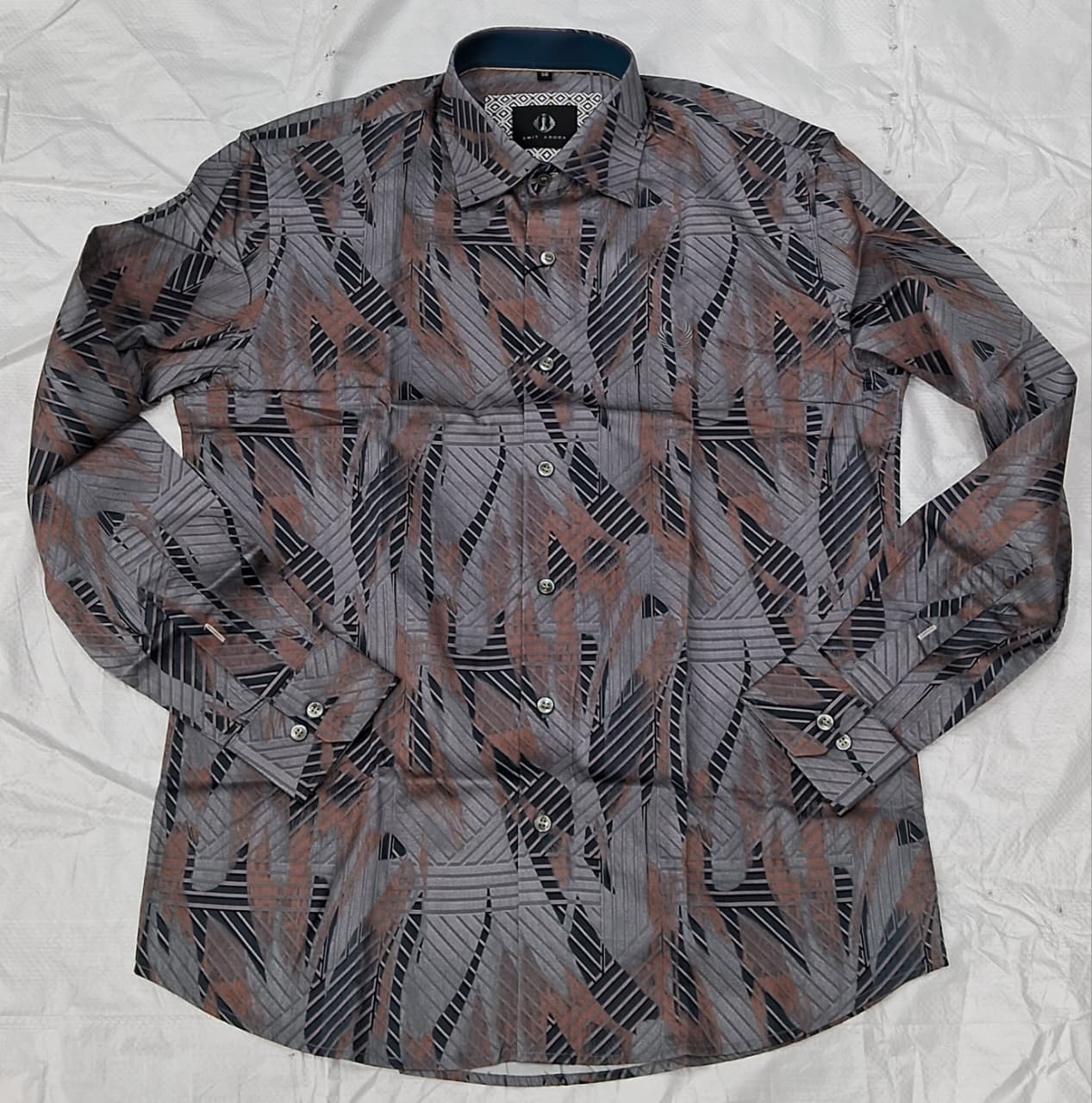
Grey and rust patterned shirt
Plate 10Grey and rust patterned shirt

Versatility comes from shirts that work in several settings and with several trousers. A collection built this way needs fewer pieces and fewer decisions.

The versatile core

  • White — formal, everyday and evening
  • Light blue — everyday and meetings
  • Fine blue or grey stripe — meetings and presentations
  • Small check — relaxed days and travel

The character layer

Once the core is in place, add shirts that express personality: a soft pink, a deep solid, a contemporary pattern. Choose colours that suit your complexion and work with at least two of your trousers.

Test before you buy

Before adding a shirt, name three outfits it will be part of. If you cannot, it is probably not versatile — however good it looks on its own.

Replace with intention

When a shirt wears out, replace it with the same role, not necessarily the same colour. The system stays balanced while the wardrobe evolves.

Start building with the office collections, and talk to the Options Mall team about current ranges.

Back to contents ↑